
As drone technology rapidly advances and becomes more accessible, the need for effective anti-drone solutions has become increasingly critical. With drones being used for everything from recreational activities to commercial applications, the potential for misuse has grown exponentially, creating serious concerns for national security, public safety, and personal privacy.
Anti-drone systems, also known as Counter-UAS (C-UAS) systems, are designed to detect, track, identify, and neutralize unauthorized or malicious drone activities. These sophisticated solutions protect critical infrastructure, public events, airports, government facilities, and private properties from potential drone-related threats including illegal surveillance, smuggling, terrorism, and privacy violations.
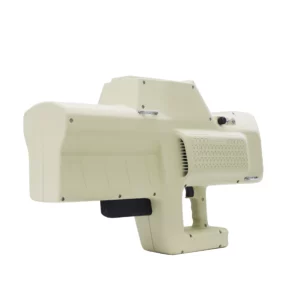
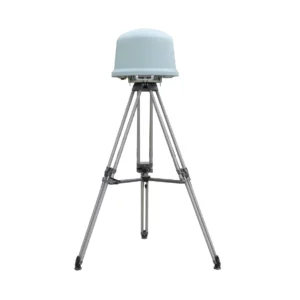
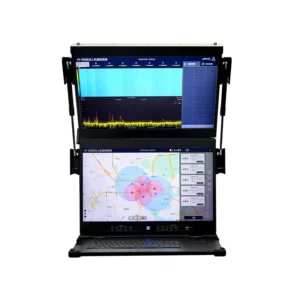
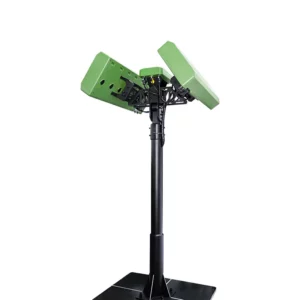
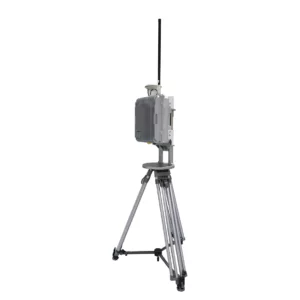
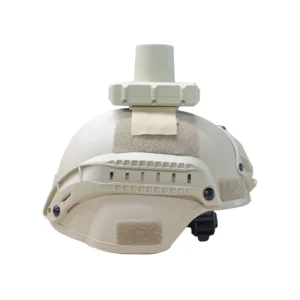
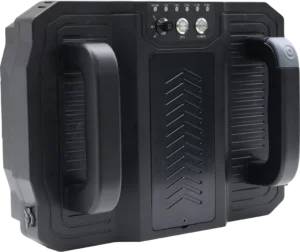
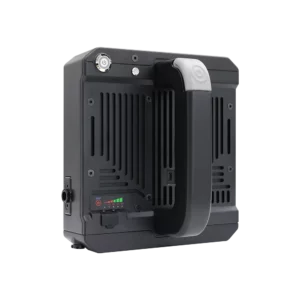
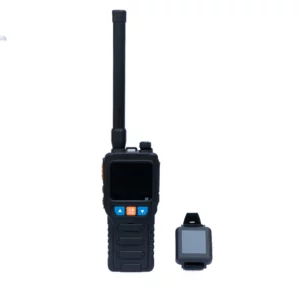
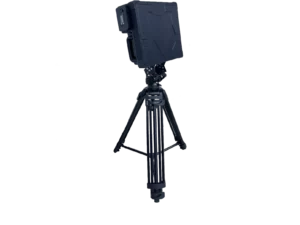
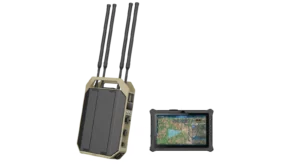
An anti-drone system is a comprehensive security solution designed to detect, track, identify, and neutralize unauthorized drones. It typically consists of detection sensors (RF, radar, optical), analysis software, and countermeasure devices (jammers, spoofers). The system continuously monitors airspace, identifies potential threats, and can automatically or manually deploy countermeasures to stop malicious drone activities.
Legality varies by country and jurisdiction. In many regions, anti-drone systems can only be used by authorized entities such as government agencies, law enforcement, or licensed security companies. Private use of jamming devices is often restricted or prohibited. It’s essential to check local regulations and obtain proper permits before deploying any anti-drone technology.
Detection systems identify and track drones without interfering with their operation – they provide situational awareness and threat assessment. Countermeasure systems actively interfere with drone operations by jamming communications, spoofing GPS, or physically intercepting the drone. Many comprehensive solutions combine both capabilities.
RF jammers are highly effective against most commercial drones that rely on radio communications. However, effectiveness depends on factors like drone type, distance, power output, and environmental conditions. Autonomous drones with pre-programmed flight paths may be less susceptible to jamming, requiring alternative countermeasures.
Advanced systems can identify drone types, flight patterns, and behaviors to assess threat levels. Some systems maintain whitelist databases of authorized drones and can integrate with air traffic management systems. However, positive identification often requires human verification, especially for determining intent rather than just presence.
Detection range varies significantly based on technology and environmental factors. RF detection systems can typically detect drones at 1-10+ km range, while radar systems may detect at 5-20+ km. Optical systems are generally limited to 1-5 km. Range is affected by drone size, terrain, weather, and electromagnetic interference.
Performance varies by technology. RF detection generally works well in most weather conditions, while optical systems can be affected by fog, rain, or snow. Radar systems may experience some degradation in heavy precipitation. Most professional systems are designed to operate in -40°C to +60°C temperature ranges and various weather conditions.
Properly designed systems minimize interference, but RF jammers can potentially affect nearby electronics operating on similar frequencies. This may include WiFi, cellular communications, or other radio devices. Professional systems include frequency selectivity and directional antennas to reduce collateral interference.
Modern systems can detect drones within 3-10 seconds and deploy countermeasures almost immediately. However, threat assessment and verification may take additional time. Automated systems can respond faster than human-operated ones, but human oversight is often required for rules of engagement and avoiding false positives.
When jammed, most commercial drones will execute their programmed fail-safe behavior:
The specific behavior depends on the drone’s programming and the type of signal loss.
Yes, drone threats vary significantly:
Yes, modern anti-drone systems are designed for integration with existing security systems including CCTV networks, access control systems, alarm systems, and security management platforms. Many systems offer APIs and standard protocols for seamless integration and centralized monitoring.
We’ll get back to you within one business day.
By sending this quote request, you agree to our Privacy Policy.
We’ll get back to you within one business day.
By sending this quote request, you agree to our Privacy Policy.
We’ll get back to you within one business day.
By sending this quote request, you agree to our Privacy Policy.